


In most cases, claimants and other parties can leverage traffic camera footage to establish liability and seek maximum compensation after a car accident in Washington DC. Camera footage of a traffic accident can identify at-fault parties, corroborate eyewitness accounts, or provide other details about an accident.
If you suffered injuries in a car crash in DC, you might wonder what evidence you will need if you wish to pursue a personal injury claim against the at-fault driver. If a traffic camera captured the collision and accident scene, you could use its footage for your car accident claim.
How and Where Does Washington DC Use Traffic Cameras?
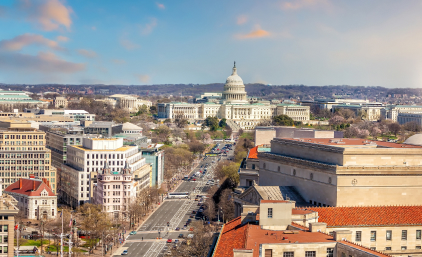
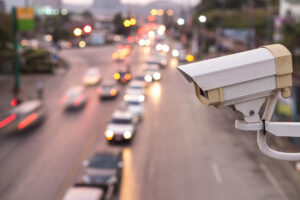
The DC Department of Transportation uses several types of automated traffic enforcement cameras, including red-light, speed, stop-sign, and oversized-vehicle cameras. DC has clustered many of its traffic cameras in the area north of the Capitol Building and in Wards 4 and 7, but the city has various types of traffic cameras throughout the District.
What Types of Traffic Cameras Can Record Video Evidence of DC Car Accidents?
Various types of cameras in and around DC can record video evidence of a car accident. For example, traffic enforcement cameras must capture footage to create evidence to support traffic citations to drivers who commit infractions that the cameras monitor, such as speeding, running red lights or stop signs, or driving oversized vehicles on restricted roads.
How Can the Video Evidence from a Traffic Camera Help in a Washington DC Car Accident Case?
Having video footage of a car accident or the events leading up to a crash can provide various benefits for a car accident claim, such as:
- Establishing fault – Video footage from traffic cameras can document the events immediately preceding and during an accident, providing a comprehensive view of the collision. For example, video evidence may show whether a driver committed a traffic violation or made an unsafe maneuver, such as running a red light or changing lanes without signaling.
- Corroborating eyewitness accounts – Footage from a traffic camera can also corroborate aspects of a witness’s recollection of an accident. For example, suppose a party claims they had a green light when they proceeded through an intersection. In that case, a traffic camera might have captured footage confirming that the driver had a green light.
- Refuting false allegations – Video evidence can also undercut a party’s claims about what happened in a car accident. For example, suppose one driver claims that the other driver failed to use their turn signal. In that case, a traffic camera may capture footage of the other driver using their indicator in the moments leading up to the crash.
- Documenting conditions at the time of the crash – Video footage can also show conditions at the time of an accident, including weather, lighting, traffic, and road conditions.
Ultimately, video footage provides objective evidence of what happened before and during a crash, which may help definitively establish fault for the accident.
How Can I Obtain Video Footage from a DC Traffic Camera After a Car Crash?
In most cases, if you wish to obtain video footage from a traffic camera in DC, you must submit a formal request to the District agency responsible for operating the camera that captured footage of the car accident. Most cameras fall under the jurisdiction of the District Department of Transportation or the Metropolitan Police Department.
When requesting traffic camera footage, provide specific details to help the department locate the footage, including the date, time, and location of the incident. Departments may charge processing or administrative fees to provide copies of traffic camera footage. Sometimes, departments may deny a request for footage, requiring you to pursue a subpoena or a court order to compel its production.
How Quickly Should I Act to Get the Traffic Camera Footage?
You should submit your request for traffic camera footage as soon as possible, as departments may delete or overwrite footage after a few days or weeks, depending on department policy. Even when a department initially denies a request for footage, you can ask the department to hold the footage until the legal process determines your right to it. By doing so, you can ensure that the department does not delete the footage. However, you should diligently pursue footage before errors or oversights result in its loss.
What Damages Could Traffic Camera Video Footage Help Me Recover?
Because traffic camera footage can help you prove the other driver’s liability for a car accident in Washington DC, you may have the right to seek compensation (or damages) for the losses you suffered, including:
- Costs of medical treatment and rehabilitation for accident injuries, including hospitalization, surgeries, pain medication, and physical therapy
- Costs of long-term disability care, such as home health services, mobility equipment, or home renovations to install accommodations
- Lost wages or income from missed time from work while recovering from injuries
- Lost future earning potential due to prolonged or permanent disability
- Physical pain and anguish from injuries and medical treatments
- Emotional trauma or distress
- Reduced quality of life caused by physical disabilities or severe, visible scarring and disfigurement
- Vehicle repair expenses or reimbursement for a totaled vehicle.
How Can I Contact a Washington DC Car Accident Lawyer Near Me?
Marks & Harrison protects the rights of car accident victims throughout DC. We have a legal team of 32 experienced personal injury attorneys who are backed by over 130 support personnel, including investigators with backgrounds in insurance and law enforcement. We have the skills and experience to tackle the challenges that may arise in your car accident lawsuit, as evidenced by our proven track record.
Contact us today at Marks & Harrison for a free consultation with a car accident attorney to learn more about the role that traffic camera footage can play in your Washington DC car accident claim.